Superfoods • 5 min read
“Snack Happy. Stay Mepii.”
Better Snacks • Bigger CravingsHarvesting ancient grains...
What really happens when snacks are deep-fried at 200°C? A deep dive into modern manufacturing, trans fats, and the roasted alternative.

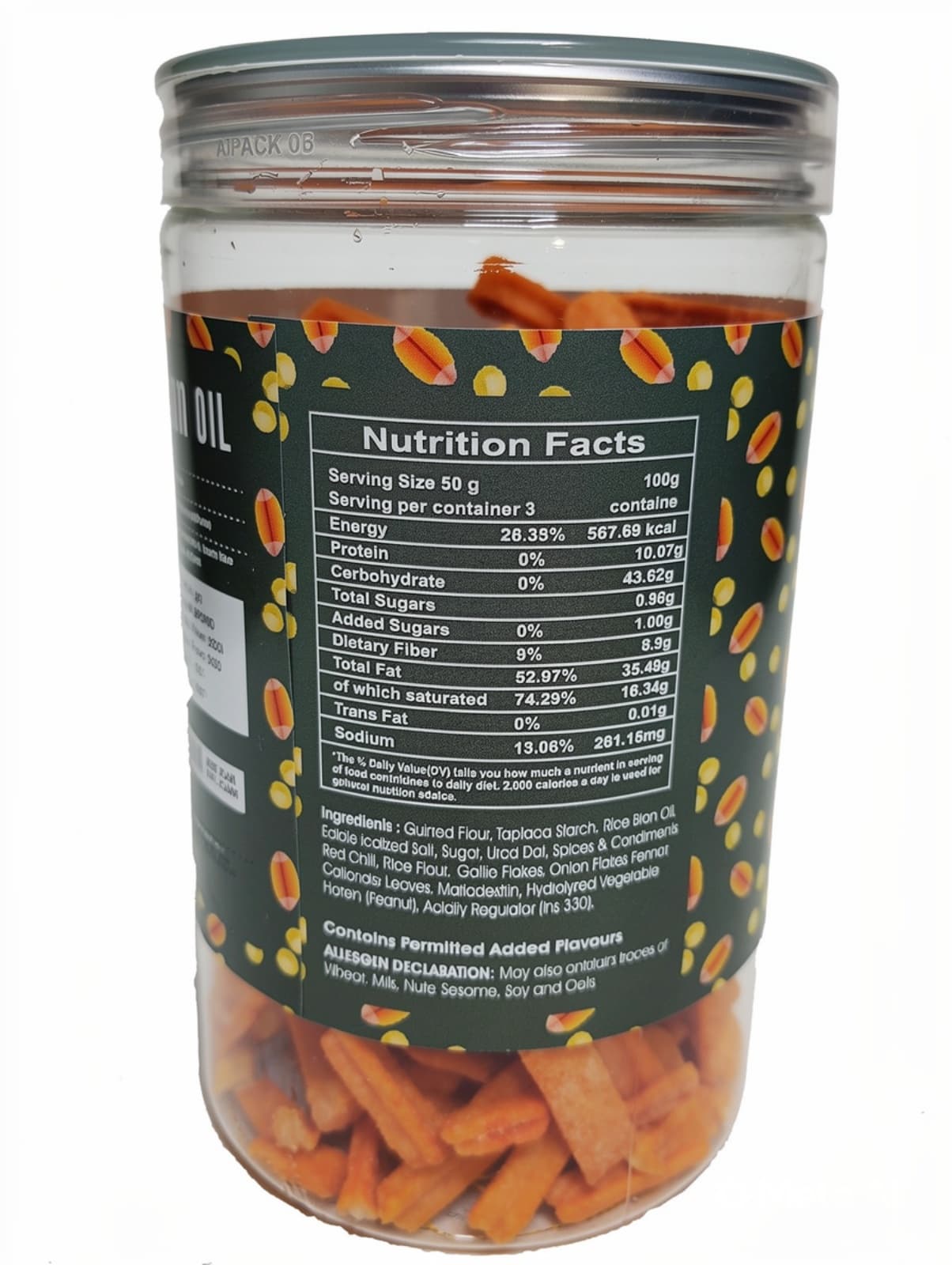
Turn over almost any glossy snack bag at your local grocery store, and you'll spot the same culprits: 'Edible Vegetable Oil (Palmolein)', 'Artificial Flavor Enhancers (INS 627, 631)', and alarming trans fat percentages. In this eye-opening guide, we break down why traditional deep-frying compromises your metabolic health and how modern artisanal roasting changes everything.
Palmolein is the industrial food giant's dream ingredient: it is dirt cheap, resists rancidity, and provides an addictive greasy mouthfeel. However, commercial fryers subject this oil to continuous 190°C–220°C temperatures for days. Thermal oxidation converts stable lipids into oxidized fatty acid polymers and lipid peroxides, which trigger chronic arterial inflammation.
"Clean eating starts not with what you eat at dinner, but with what you reach for between meals."
When carbohydrate-rich ingredients (like potatoes, corn, and flour) meet temperatures above 120°C in the presence of free asparagine, a chemical reaction called the Maillard reaction produces acrylamide. The International Agency for Research on Cancer (IARC) classifies acrylamide as a Group 2A probable human carcinogen.
How do you achieve irresistible crispness without a gallon of bubbling oil? Precision hot-air circulating roasters. By drawing out intrinsic moisture evenly, the snack structure becomes porous, delicate, and deeply crunchy. A micro-misting of cold-pressed oil is then applied solely to allow hand-ground spices to adhere organically.
Switching from deep-fried commercial namkeens to slow-roasted whole grains and seeds eliminates unnecessary empty calories and harmful fats without sacrificing the punchy, spicy flavors you love.
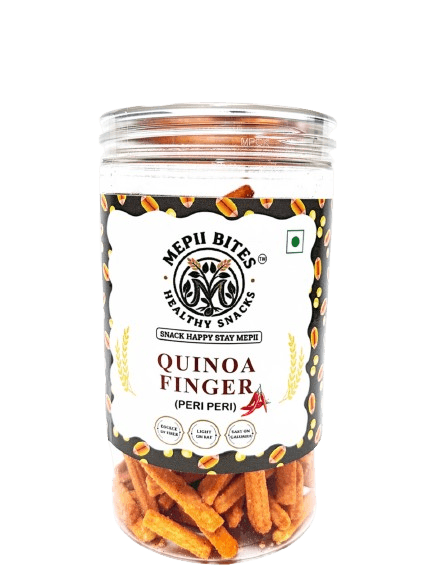
Mepii Bites Quinoa Finger Peri Peri is the snack that refuses to be ignored.
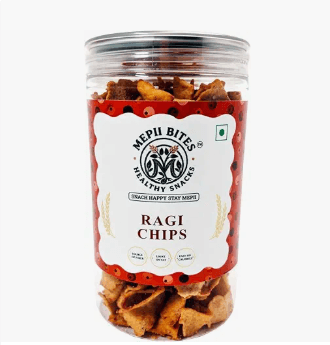
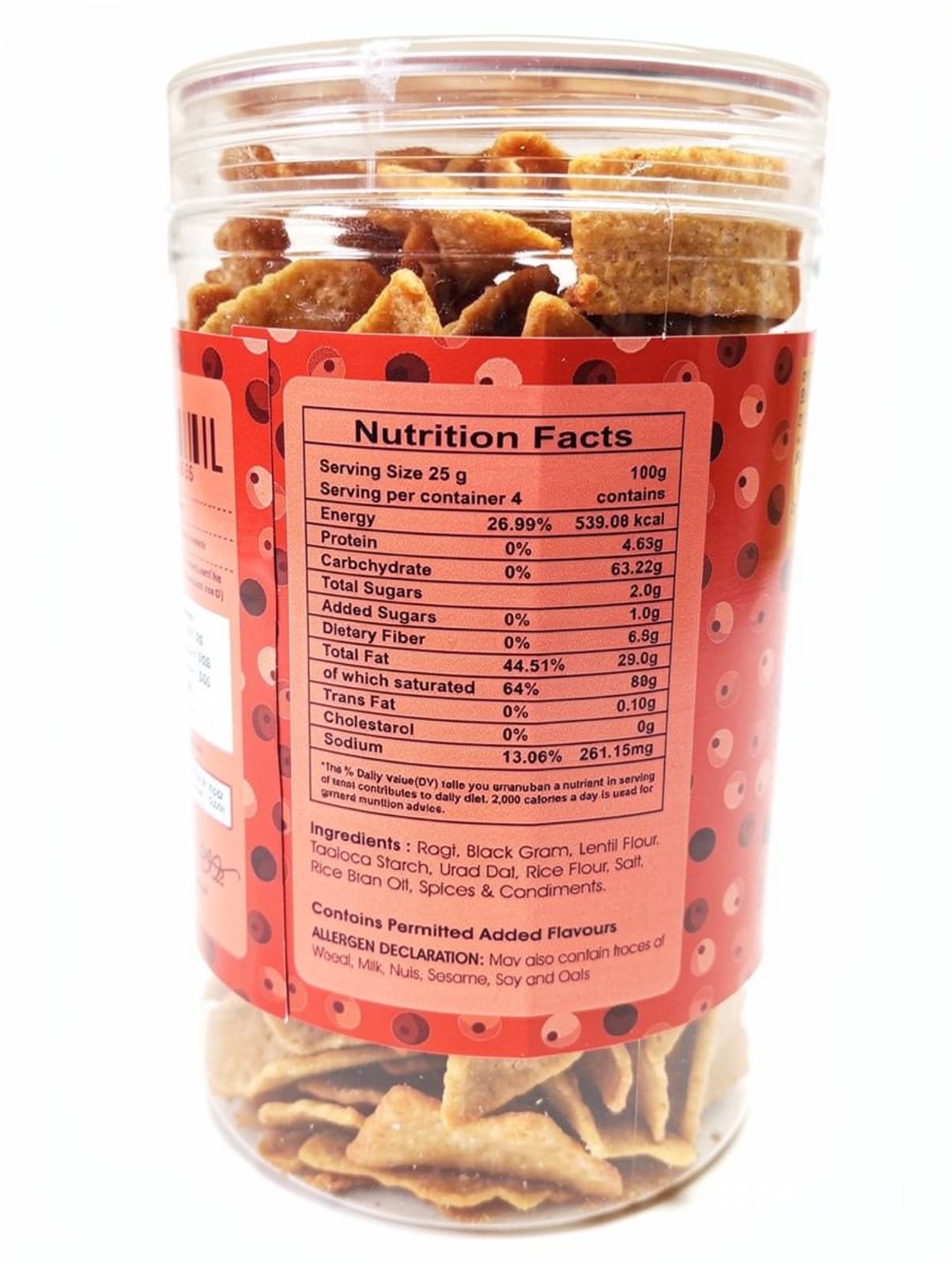
Mepii Bites Ragi Chips celebrate one of India's most ancient and nutritionally revered grains — finger millet (ragi) — in a brand-new, irresistibly crunchy c...
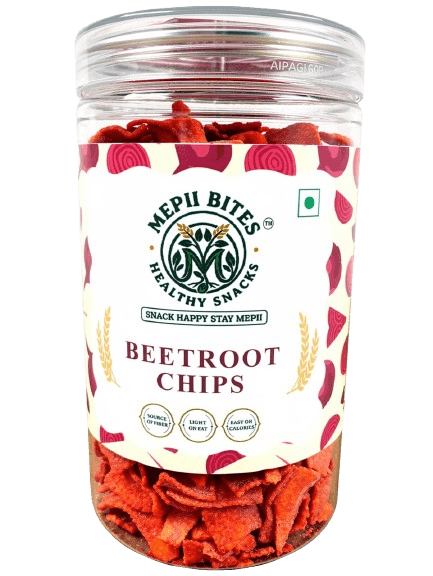
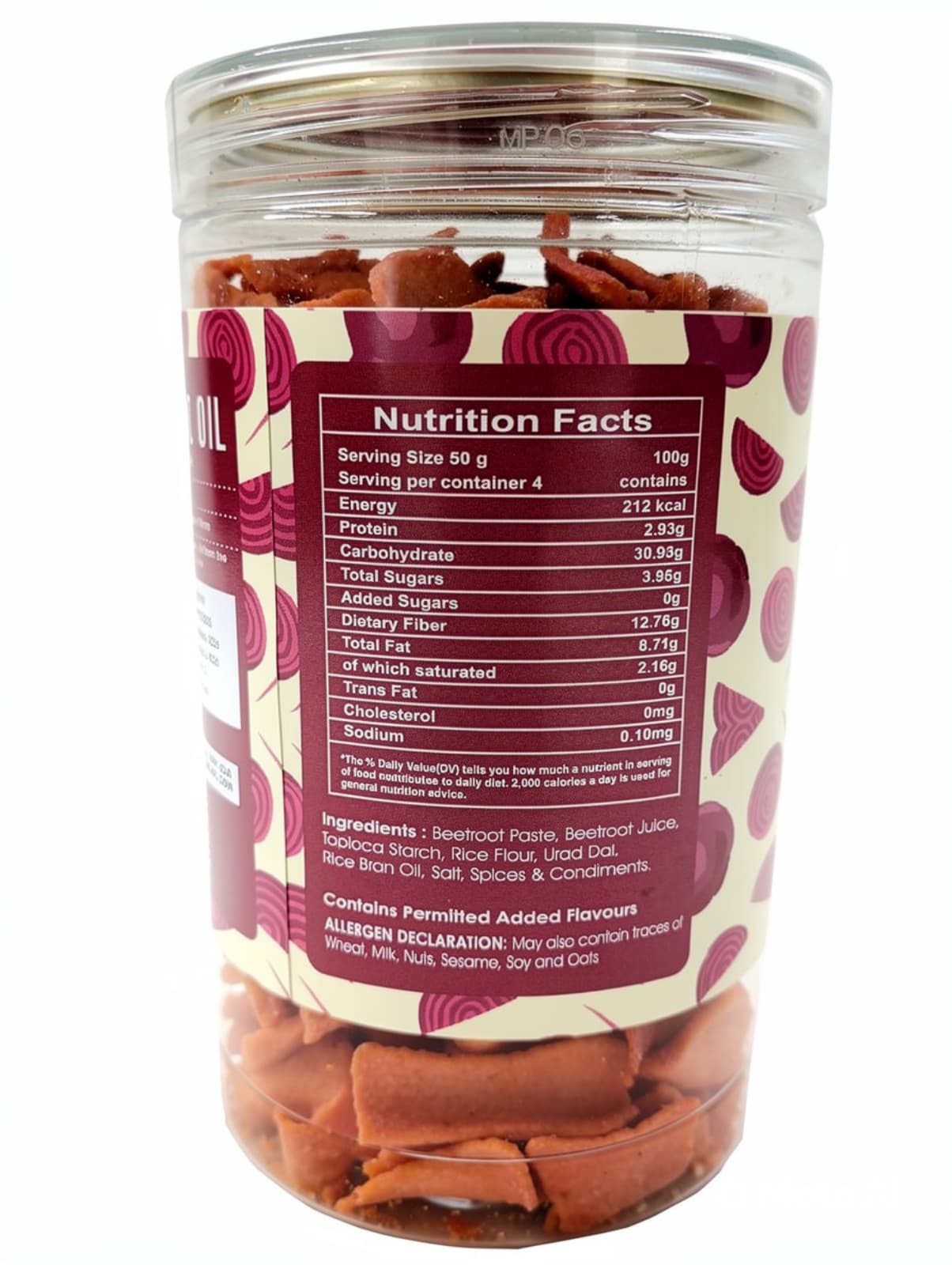
Mepii Bites Beetroot Chips are a vibrant, visually stunning snack that turns the humble beetroot into a crispy, flavourful chip that's as nutritious as it is...
Food Technologist & Co-Founder, Mepii Bites
Passionate about bridging ancient culinary heritage with modern clinical nutritional science. Dedicated to formulating clean-label, slow-roasted snacks that nourish modern routines with zero compromise.